
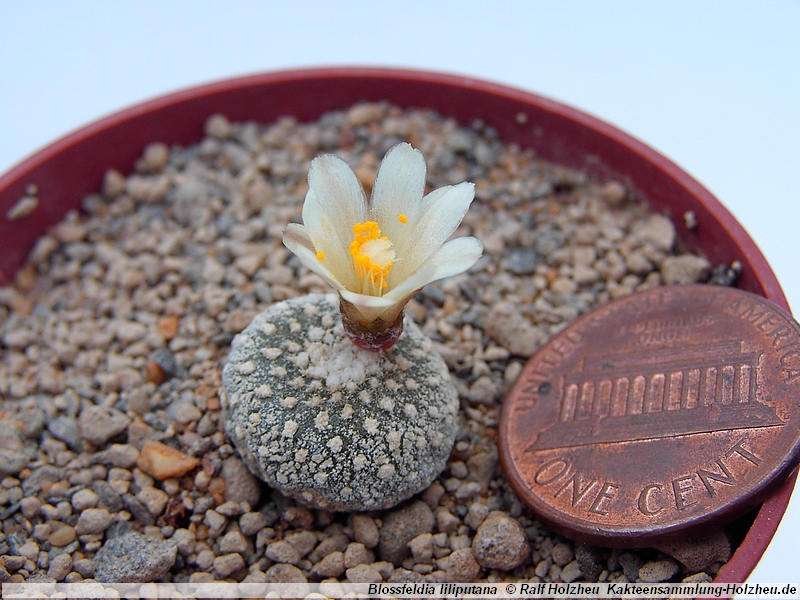
Blossfeldia liliputana / 20 seeds (Blossfeldia fechserii)
$ 4.46
Common names Aylostera heliosa Synonyms Parodia liliputana, Blossfeldia campaniflora, Blossfeldia liliputana var. caineana, Blossfeldia atroviridis, Blossfeldia pedicellate, Blossfeldia atroviridis var. intermedia, Blossfeldia fechseri, Blossfeldia liliputana var. campaniflora, Blossfeldia minima, Blossfeldia liliputana var. Formosa, Blossfeldia liliputana var. fechseri, Blossfeldia liliputana var. pedicellate, Blossfeldia fechseri, Blossfeldia cryptocarpa. Origin and Habitat Native to South America in northwestern Argentina and southern Bolivia. USDA Hardiness Zone Zones: 8 to 10 Maximum size Height: 3-5cm / Spread: 1-1.5cm Care Tips Expected germination rate 50% Growth Rate Slow Maintenance Easy Sun Exposure Moderate shade at first, full sun later Watering Low Soil type and pH Well-draining, loose, gritty, gravel-rich, pH 6 to 7 Blossfeldia liliputana is a very attractive cactus species and the only species in the genus Blossfeldia. It’s solitary or clumping with no ribs, tubercles or spines, but has areoles that bear tufts of wool. Root is tuberous. It’s native to South America in northwestern Argentina and southern Bolivia. This plant grows in rock crevices of the Andes at an altitude of 1,200-3,500 m and often near waterfalls. Blossfeldia liliputana is markedly small-sized and world’s smallest cactus species, reaching only 10-12 mm diameter on maturity. Hence, it’s named after the fictional country of Lilliput in the book “Gulliver’s Travels”, all the inhabitants of which are minute. The genus is named after its discoverer Harry Blossfeld who discovered it in northern Argentina along with another researcher Oreste Marsoner. From late spring to early summer, it produces white and sometimes pink flowers 6-15mm long and 5-7 mm in diameter. Blossfeldia liliputana has numerous unique features which make it unique among cacti, such as very few stomata, lack of a thickened cuticle and hairy seeds with an aril (an outgrowth from the seed which covers the seed). Although in its habitat, Blossfeldia liliputana grows near waterfalls where water flows continuously over it, it can withstand severe drying out and even complete desiccation, and recovers when rain, mist or fog returns to their natural environment. Blossfeldia liliputana has a unique growth habit. Its stem is flattened, grey-green, disc-shaped, often up to 1.2cm in diameter (however, in cultivation if the plant is grafted, it can attain a bigger size). During the dry season, its miniscule stems lose almost all the water and shrink and become dry and flattened on the rocks where it grows. This is the only cactus with this poikilohydric nature i.e., completely drying out and rehydrating its cells when watered. However, Blossfeldia liliputana is very sensitive to rottenness in presence of humidity and low temperatures and you should let the soil dry out between waterings. You should water this cactus during its growth period i.e., from March to October, but should water only when the surrounding terrain is dry. Also, avoid wetting the body of this plant, when it’s in sunlight, as a wet cactus in sunlight can get burned and form scars and even fungal infections and ultimately death. As soon as the temperatures start dropping in October, keep the plant dry and perfectly dry in winter at temperatures 5 to 15-degree C. it’s recommended to avoid watering on overcast, humid and cold winter days. It needs to be kept in a cool place during its winter dormancy. It can even withstand sporadic frost if kept dry before and during cold weather. Blossfeldia liliputana grows and thrives well when you fertilize it once a month with a liquid fertilizer during its growing season. Do not fertilize during the winter months. While repotting in fall or spring, you can add some slow-release fertilizer to the soil. Remember that excessive use of fertilize can cause the plant’s base to grow very slowly and turn yellow. Blossfeldia liliputana needs some shade with plenty of airflow for the best appearance. Since their color and shape is hardly noticeable from a stone, these cacti are not significantly threatened by human impact. Still, the species highly sought after by collectors and as soon as a new population is discovered, it’s soon depleted. This plant is nationally as well as internationally traded. Although Blossfeldia liliputana attracts several types of insects, a plant in a good condition is rarely attacked by pests. However, you should watch out for insects like red spiders, mealy bugs, and scales. You should also be careful about rot, but if you water and air it correctly, rot is only a minor problem. Blossfeldia liliputana is propagated by seeds and graft. It grows very fast and offsets heavily if grafted, but loses its characteristic disc-like shape and becomes quite globular and bloated. SHIPPING: Shipped out within 5 working days. Unregistered letter (NO TRACKING). For more about delivery times click here: HOW TO ORDER! SOWING INSTRUCTIONS: click HERE!
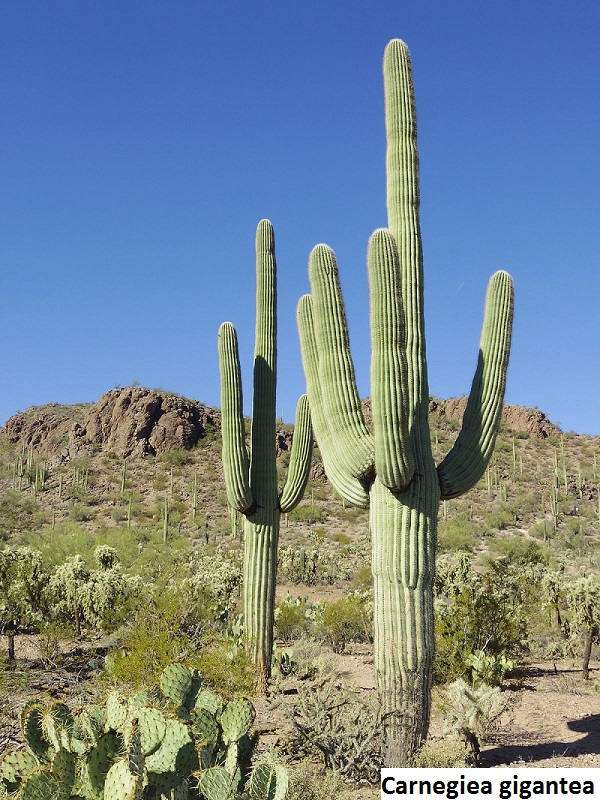 Carnegiea gigantea (Saguaro) / 10 seeds
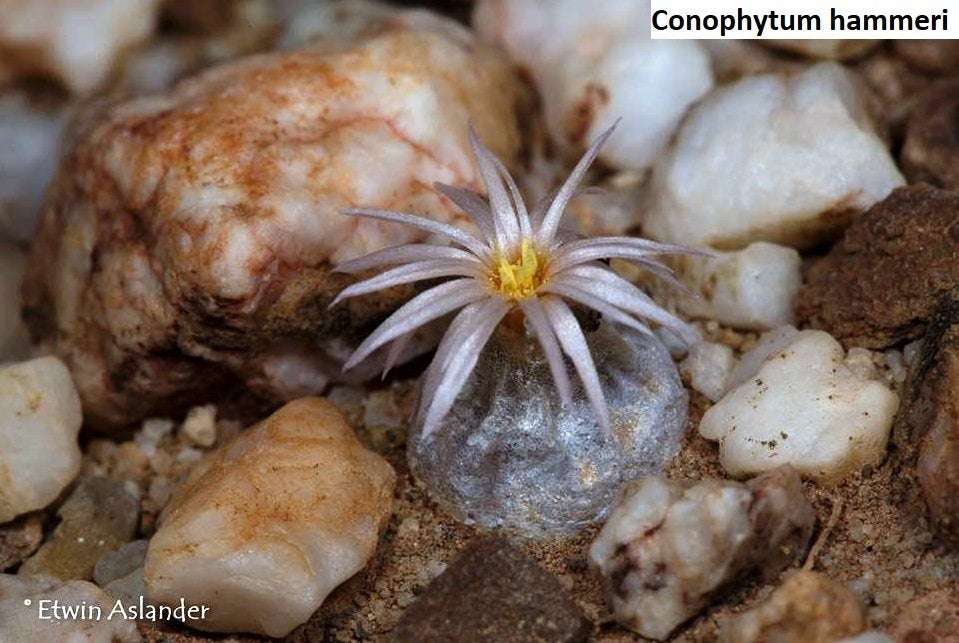 Conophytum hammeri [RARE] / 10 seeds